
Newstown CraigScott Capital (2026): The Ultimate Investor Guide to Verified Facts and Risks
Have you searched for Newstown CraigScott Capital and found messy answers? You’re not alone. Old posts, forum threads, and archived pages all tell different stories. That makes it hard to know what’s real.
This guide sticks to the public record. You’ll get the Craig Scott Capital background, the Craig Scott Capital regulatory record, and clear steps for investor protection. Every section also supports Newstown CraigScott Capital 2026 research. You’ll finish with a simple plan for investor due diligence that works on any firm.
What Is Newstown CraigScott Capital?
Newstown CraigScott Capital is a search phrase. It points to Craig Scott Capital, LLC. That firm was a small US broker-dealer in Uniondale, New York. It no longer operates. FINRA expelled it in 2017. So the phrase leads to a closed case and not to an active Craig Scott Capital brokerage firm.
The word “Newstown” adds confusion. The public sources checked show no separate firm by that name tied to this case. Some pages blend the words together. Others copy each other’s spelling. Treat any claim that links a “Newstown” company to the firm as unconfirmed. Wait for an official record before you believe it. That’s a basic test of investment firm legitimacy.
Newstown CraigScott Capital: Executive Summary and Key Facts
Here are the verified basics in one place. They come from FINRA’s default decision, the SEC opinion, and InvestmentNews. Together they link Newstown CraigScott Capital searches to a firm that left the financial services industry.
| Topic | Verified detail |
| Firm | Craig Scott Capital, LLC, Uniondale, New York |
| FINRA membership began | January 2012 |
| First suspension | October 2015, for unpaid arbitration fees |
| Membership cancelled | January 2016, after missed FOCUS reports and unpaid fees |
| Default decision | August 2017, expelling the firm |
| Expulsion final | September 2017 |
| Core findings | Excessive trading, churning, weak supervision, false statements to FINRA |
| People barred | Co-founders Craig Scott Taddonio and Brent Morgan Porges, plus broker Edward Beyn |
| Fines | No fines or restitution ordered |
The table shows a clear pattern. Fees went unpaid. Reports went unfiled. Then regulators acted. Any summary of the Craig Scott Capital regulatory history should stick to these dated points. Anything beyond them needs proof. A fair summary of Newstown CraigScott Capital never goes past the record.
The History of Craig Scott Capital
The Craig Scott Capital history starts in January 2012. That month the firm joined FINRA as a member. Craig Scott Taddonio and Brent Morgan Porges were its co-founders. The firm sold securities to retail clients from its New York base. Readers who want Craig Scott Capital investor information should begin with these dates and the FINRA decision. That history sits behind every Newstown CraigScott Capital search.
Trouble came fast. FINRA suspended the firm in October 2015 for unpaid arbitration fees. Broker Edward Beyn’s registration with the firm ended in September 2015. In January 2016 FINRA cancelled the membership. Enforcement then filed a complaint against the firm and its owners. The firm did not answer it. A hearing officer issued a default decision in August 2017. The panel barred the owners and Beyn. The SEC later reviewed the bars and sustained FINRA’s findings and sanctions.
Craig Scott Capital’s Regulatory Record and Public Findings
The Craig Scott Capital regulatory record is public. It rests on a few clear findings. FINRA’s decision cites “excessive trading of customer accounts” as the first ground. It also found churning. Churning means trading mainly to earn commissions. The decision added supervision failures and false statements about phone recording. It also noted a failure to follow telemarketing rules. Every claim about Newstown CraigScott Capital should match these findings.
Remember one detail. The firm never answered the complaint. So the findings rest on the complaint’s allegations. A law firm summary says FINRA alleged that Beyn earned over $1.7 million in commissions and fees. InvestmentNews reported that no fines were ordered because two of the three barred people had filed for bankruptcy. These points show why securities arbitration and investor complaint records matter so much.
What FINRA Does and Why It Matters
FINRA oversees US broker-dealers. It handles FINRA broker registration, licensing exams, and firm audits. It also writes and enforces securities industry regulations, runs dispute forums, and keeps public discipline files. Those files feed FINRA BrokerCheck. Strong brokerage firm compliance keeps firms on the right side of the rules. When FINRA expels a firm like the one behind Newstown CraigScott Capital, that firm loses the right to do member business.
The SEC’s Role in Investor Protection
The SEC is the federal securities regulator. Its review matters for anyone who studies Newstown CraigScott Capital. It enforces financial market regulations and reviews FINRA’s actions. In this case the SEC reviewed the bars and sustained FINRA’s findings. The agency also keeps SEC regulatory records and handles investment adviser registration for larger advisers. States cover many smaller ones. Together the SEC and FINRA form the main wall of investor protection in the United States.
How to Verify Public Regulatory Records
Start with FINRA BrokerCheck. Search the firm name and then each person. Open the disclosure section and read every entry. Next, check the SEC’s adviser database at adviserinfo.sec.gov. Last, open any linked decisions. That’s how to check FINRA records in about ten minutes. It also shows how to review regulatory disclosures. Read the dates, the outcomes, and the sanctions in order. Use these steps on any Newstown CraigScott Capital claim you find.
Understanding the Boutique Brokerage Industry
Boutique brokerage firms are small, independent shops. They often serve retail clients through personal calls and long relationships. The financial services industry includes giants and tiny firms side by side. Small firms can offer closer service. They can also lack deep compliance teams.
That gap matters for brokerage firm investor risks. A small firm may rely on one person to review trades. If that person misses red flags, problems grow. The Craig Scott Capital brokerage firm case shows the danger. FINRA found weak supervision alongside heavy trading. Size alone isn’t a flaw. Weak oversight is. Searches for Newstown CraigScott Capital often lead back to this lesson.
How Boutique Brokerage Firms Make Money
Most earn brokerage commission fees on each trade. Some add advisory fees on assets. Others earn margin interest or credits for product sales. This is the commission-based brokerage model. It pays brokers when clients trade. That link can pull advice toward activity. It’s one of the main risks of commission-based brokerage firms. So ask every broker how they get paid. Demand a plain answer. Regulators tied the firm behind Newstown CraigScott Capital to trading that generated commissions.
Boutique Brokerages vs. Large Financial Institutions
Neither type is always better. Each has strengths and trade-offs. The table below compares them side by side. Use it as a starting point for your own research.
| Factor | Boutique firms | Large institutions |
| Client experience | More personal | More standard |
| Resources | Limited | Extensive |
| Compliance staff | Often small | Often large |
| Technology | Varies widely | Usually advanced |
| Brand recognition | Lower | Higher |
Investor Complaints and Common Brokerage Risks
Regulators see the same problems again and again. Four stand out. They are unsuitable advice, heavy trading, unauthorized trades, and unclear disclosure. Each one can drain an account over time.
Many investor complaint records involve more than one of these issues. The findings behind Newstown CraigScott Capital touched several. Knowing the signs of stockbroker misconduct helps you act early. The four sections below explain each sign in plain words.
Unsuitable Investment Recommendations
Unsuitable investment recommendations ignore a client’s age, income, goals, and comfort with risk. Picture Maria, a 68-year-old retiree who needs steady income. A broker puts half her savings in a risky, hard-to-sell product. The product might look fine on paper. For Maria it’s the wrong fit. Rules require brokers to match advice to the client’s profile.
Excessive Trading and High Commissions
Excessive trading allegations often involve churning. A broker buys and sells often to earn commissions. The client pays the costs and may lose money. Warning signs include high turnover, large commission bills, and trades you don’t understand. In the case behind Newstown CraigScott Capital, FINRA found excessive trading and churning in customer accounts. That is why brokerage commission fees deserve a close look every quarter.
Unauthorized Account Activity
Unauthorized trading activity means trades placed without your approval. Check every statement and trade confirmation. Call the firm at once if something looks wrong. Keep notes with dates and names. Then follow up in writing. Firms must supervise their brokers. Missed unauthorized trades can point to deeper supervision gaps.
See Also : Hosted Event PBLGamevent 2026: The Ultimate Guide to Successful Gaming Events
Misrepresentation and Inadequate Disclosure
Misleading investment claims hide risks or exaggerate gains. Brokers must explain fees, risks, and limits on selling. Missing details can hurt as much as false ones. Ask for written disclosures every time. This habit also helps with how to identify investment scams. Scams hide the same facts.
Financial Risks Associated With Brokerage Firms
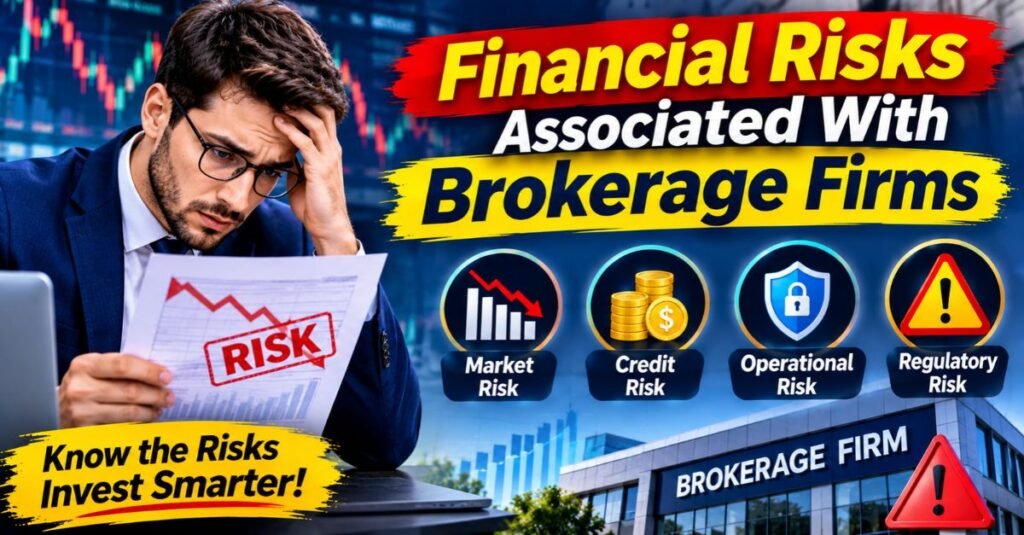
Every firm carries some risk. Some risk comes from markets. Some comes from people and pay plans. Smart investors separate the two.
Pay plans and fees deserve extra care. They work quietly in the background. A basic investor risk assessment looks at both. Start with how the firm earns money. Then check what it charges. Those two answers explain a lot. Apply them to Newstown CraigScott Capital or any other firm.
Conflicts of Interest and Commission-Based Incentives
Conflicts of interest in financial services appear when a broker’s pay depends on your choices. Higher commissions on one product can sway advice. That doesn’t prove bad intent. It does call for questions. Ask for pay details in writing. A fiduciary duty requires an adviser to put clients first. Brokers follow a best-interest rule that differs in scope. That’s a key point in the differences between brokerage and advisory services.
Hidden Fees and Trading Costs
Brokerage fee transparency means clear, upfront costs. Small fees grow large over time. The table below shows a 1% yearly fee on three account sizes. It assumes a 6% yearly return before fees and no withdrawals over ten years. Understanding brokerage fees and commissions starts with numbers like these.
| Starting balance | Value with no fee | Value with 1% fee | Ten-year cost |
| $100,000 | $179,085 | $162,889 | $16,196 |
| $250,000 | $447,712 | $407,224 | $40,488 |
| $500,000 | $895,424 | $814,447 | $80,977 |
Why Regulatory Actions Matter to Investors
Regulatory actions are public lessons. They show how harm happened. They also show which controls failed. Reading them, including the record behind Newstown CraigScott Capital, helps you spot the same patterns elsewhere.
Take a quick example. Two advisers recommend the same fund. One explains costs and risks. The other talks only about gains. The fund is identical. Your experience isn’t. Financial misconduct allegations often start with missing facts and end with large losses. That’s why investor education resources matter before you invest. So do your investor rights and protections.
Newstown CraigScott Capital: Name Confusion and Online Claims
Names create traps online. A single missing word can point to a different company. Archived pages stay live for years. Unofficial directories repeat old data. Social posts spread rumors fast. So Newstown CraigScott Capital searches pull mixed material.
No public record shows a link between this phrase and any active firm. Still, confusion creates risk. In general, bad actors borrow trusted-sounding names. So always start by checking a firm’s legal identity. Do it before you share money or personal data. Strong financial advisor verification begins there.
Distinguishing Verified Facts From Unconfirmed Claims
Sort every claim into a bucket. Facts come from official records. Rumors come from copies of copies. Opinions are just opinions. The table shows how to treat each type for Newstown CraigScott Capital research.
| Claim type | Example | How to treat it |
| Verified | FINRA expelled Craig Scott Capital, LLC in 2017 | State it and cite the decision |
| Verified | The owners and one broker were barred | State it and cite the source |
| Unconfirmed | A separate “Newstown” firm has ties to the case | Don’t repeat it without records |
| Unconfirmed | The firm now operates under a new name | Don’t repeat it without records |
| Opinion | A review calls the firm good or bad | Use it only as context |
How to Identify Misleading Financial Information
Check the date first. Then check the author. Look for links to official sources. Be careful with pages that boast returns or ratings with no proof. This is the heart of evaluating financial claims online. Strong pages cite FINRA, the SEC, or court files. Weak pages cite other blogs. Stick to reliable sources for investment research and you’ll avoid most traps. Apply these checks to every Newstown CraigScott Capital page you read.
Is Newstown CraigScott Capital Legitimate?
Based on the public record, no. Craig Scott Capital, LLC isn’t an active, registered broker-dealer. FINRA expelled it in 2017. It can’t operate as a FINRA member. Anyone who offers services under this name deserves hard questions. This is true for any claim tied to Newstown CraigScott Capital.
That answer is a Newstown CraigScott Capital legitimacy check in short form. The same method works for any name. Look for broker-dealer registration, a clean record, and a matching legal name. A missing record is a warning too. The next section turns this into five clear steps.
5 Steps to Verify a Brokerage Firm
Learning how to verify a brokerage firm takes five steps. Follow them in order. Each step builds on the last. The whole process often takes under an hour. Use it on Newstown CraigScott Capital or any other name.
The table gives a quick map. Then each step gets its own short explanation. Use the steps for any firm. Use them before you send a single dollar.
| Step | Tool | What you learn |
| 1 | FINRA BrokerCheck | Is the firm or broker registered? |
| 2 | FINRA and SEC records | Are there complaints or sanctions? |
| 3 | Name and ID matching | Is the legal identity the same everywhere? |
| 4 | Custodian and SIPC check | Who holds your assets? |
| 5 | Independent sources | Do outside records agree? |
Check Broker Registration and Licensing
Search the firm and the broker in FINRA BrokerCheck. Confirm that FINRA broker registration is active. Look for the firm’s CRD number. If the person offers advice for a fee, check investment adviser registration in the SEC database too. This is the broker registration verification process. No record means no deal. Try it first on a name like Newstown CraigScott Capital.
Review FINRA and SEC Records
Read every disclosure. Look at complaints, arbitration awards, and regulatory actions. Study SEC regulatory records and FINRA case files. Dates, outcomes, and sanctions tell the story. Expulsions and bars are the most serious. Use the FINRA BrokerCheck search guide steps from earlier and take notes as you go.
Confirm the Firm’s Legal Identity
Match the exact name, address, and registration number across all records. Compare the website, the contract, and the regulator’s page. One changed word can mean a different company. Run a financial advisor background check on each named person as well. Mismatches are a reason to stop. A Newstown CraigScott Capital page without matching IDs fails this test.
Verify Custody and Asset Protection Arrangements
Ask who holds your assets. A sound firm uses a qualified custodian. Look up SIPC membership too. SIPC helps customers when a member firm fails. It doesn’t cover market losses. These checks support brokerage account safety and investment account protection. They also show how to protect investment assets. Keep statements from the custodian and not only from the firm.
See Also : Voomixi com Review 2026: Is It Legit, Safe, or a Scam?
Consult Independent and Reliable Sources
Use independent investment research. Read regulator pages, court files, and trusted news. Compare at least three sources. Ignore paid reviews and anonymous posts. If three honest sources agree, you can trust the picture. If they clash, dig deeper before you act. Pages about Newstown CraigScott Capital should pass this test too.
How to Research a Brokerage Firm Before Investing

A quick search isn’t enough. Good research follows a method. It starts with identity and ends with a decision. Each stage filters out risk. Apply it to Newstown CraigScott Capital or any firm.
Below you’ll find a simple framework. After it comes a short question list. Together they work as a brokerage firm due diligence checklist. They also show how to research a financial advisor from scratch.
Investor Due Diligence Framework
Strong investor due diligence moves in stages. Skip none of them. Each stage ends with a clear pass or fail. If a stage fails, stop and rethink.
| Stage | Action | Result |
| 1 | Confirm the firm name | Exact legal name |
| 2 | Check registration | Active or not |
| 3 | Review disclosures | Clean or flagged |
| 4 | Read complaint history | Pattern or none |
| 5 | Compare fees | Clear cost picture |
| 6 | Verify custody | Safe holding place |
| 7 | Decide | Go, wait, or walk away |
Essential Questions to Ask a Broker or Financial Advisor
Good questions cut through sales talk. Write them down before any meeting. Then record the answers. These are solid questions to ask before investing.
| Question | Why it matters |
| How are you paid? | Reveals conflicts of interest |
| What fees will I pay? | Shows the full cost |
| Who holds my assets? | Confirms custody |
| What are the risks? | Tests honesty |
| Do you have disciplinary records? | Checks history |
| Does this fit my goals? | Tests suitability |
Brokerage Red Flags Investors Should Never Ignore
Scams and risky sales rarely look scary at first. They start with friendly talk and strong promises. Learn the common flags. Then you can spot them fast.
One flag is a reason to pause. Two flags are a reason to walk away. Keep these six in mind. They also form a practical guide to the signs of stockbroker misconduct. Strong investment fraud prevention starts with these habits. They apply well beyond Newstown CraigScott Capital.
Guaranteed Returns and Unrealistic Promises
No honest investment guarantees high returns. Risk and reward travel together. A promise of steady, large gains with no risk is a classic scam sign. Ask for the numbers in writing. If they can’t give them, walk away. Remember that misleading investment claims often sound too good to ignore.
High-Pressure Sales Tactics
Be careful when someone says you must act now. Real opportunities allow time for questions. Pressure shuts down thinking. Take a day to review any offer. A firm that respects you will wait. This habit supports safe investment decision-making.
Unclear Fees and Commission Structures
Fees should never be a mystery. If a broker dodges the question, treat that as a warning. Ask for a full written fee schedule. Look for hidden charges and trading costs. Weak brokerage fee transparency often hides larger problems.
See Also : Tech Hacks PBLinuxGaming: The Ultimate Linux Gaming Optimization Guide (2026)
Missing or Inconsistent Registration Details
Real firms leave clear paper trails. Names, numbers, and addresses should match across records. Gaps and mismatches need explanations. Check both the firm and each broker. Don’t accept “it’s in process” as an answer.
Complex Products Without Clear Explanations
If an adviser can’t explain a product in plain words, pause. Complexity can hide high costs and low liquidity. Ask how you could sell and what it would cost. Request a one-page summary. Skip any product you don’t understand.
Unsolicited Investment Offers
Out-of-the-blue offers deserve extra care. Scammers often cold-call or message first. Never share account details with someone who contacted you unexpectedly. Hang up and look up the firm yourself. Use official contact details from the regulator’s site.
Traditional Brokerage vs. Modern Wealth Management
The industry has changed a lot. Years ago, commissions drove most pay. Today many investors choose flat or asset-based fees. Technology has also cut costs. Readers of Newstown CraigScott Capital often wonder how today’s models compare.
These models differ in cost, duty, and openness. Know which one you’re using. Each can work well for the right person. Understanding the gap helps you choose with confidence.
How Traditional Brokerage Models Work
Brokers earn commissions on each trade or product sale. Service is often personal. Costs rise with activity. This model can suit some active traders. It requires close watch on conflicts. Under this model, brokerage fee transparency depends on how clearly the firm reports charges.
How Modern Advisory Services Differ
Advisers charge a fee based on assets or a flat rate. Many act as fiduciaries. Robo-advisers use software and low-cost index funds. Reports are clearer and update online. The pay link to trading is weaker. That lowers the pull toward needless activity.
Key Differences in Fees, Fiduciary Duties, and Transparency
The table lays out the main differences. Read it as a general guide. Every firm is different. Always confirm details in writing.
| Feature | Traditional brokerage | Modern wealth management |
| Pay | Often commission-based | Often fee-based |
| Duty to client | Best-interest rule | Often fiduciary duty |
| Technology | Limited historically | Advanced platforms |
| Reporting | Less detailed | Highly detailed |
| Cost focus | Lower emphasis | Higher emphasis |
Lessons Investors Can Learn From the Craig Scott Capital Case
The case behind Newstown CraigScott Capital offers clear lessons. Here, a small firm faced findings of heavy trading and weak oversight. The firm lost its membership. The owners lost the right to work in the industry. The pattern applies far beyond one name.
Four lessons stand out. Each applies today. Together they build smarter investment risk management strategies. They also show why a Newstown CraigScott Capital search should end in action and not in worry.
Why Regulatory Compliance Matters
Brokerage firm compliance protects clients from avoidable harm. It means rules, checks, and honest reports. Strong branding can’t replace it. A glossy website proves nothing. Registration records and clean files prove much more.
The Importance of Transparent Fees and Disclosures
Clear fees build trust. Better financial services transparency starts there. Clear disclosures prevent surprises. If a firm hides costs, assume trouble. Ask for everything in writing. Compare it with the firm’s public filings. Good firms welcome the check.
Why Independent Research Is Essential
Sales talk is not research. Only outside sources give a full picture. Use regulator sites and trusted news. Cross-check every key claim. This protects you from polished pitches and from old rumors alike.
Building a Disciplined Long-Term Investment Strategy
Patience beats constant action. Set goals and a plan. Pick low-cost, diversified holdings. Review once or twice a year. A firm that pushes frequent trading works against this plan. Discipline also reduces the chance of costly mistakes.
Investor Protection Resources for 2026
Official sources beat third-party commentary. They carry real records and real rules. They’re also free. Bookmark the four below for Newstown CraigScott Capital 2026 research and for any future decision.
Each tool covers a different gap. Use them together for the best view. They add layers of investor protection to your process. Pair them with the checklist in the next section.
FINRA BrokerCheck
FINRA BrokerCheck is the first stop. It shows registration, employment history, and disclosures for brokers and firms. Expulsions and bars appear here too. Search by name or CRD number. Save a copy of each report for your records. Search any name tied to Newstown CraigScott Capital here first.
SEC Investment Adviser Public Disclosure (IAPD)
The IAPD database covers investment advisers. It lists registration status, fees, services, and disciplinary history. Read Form ADV carefully. It explains how advisers charge and where conflicts may arise.
See Also : Pushwiki com: What It Is, Features, Topics, and Safety Guide (2026)
SEC Investor.gov and Investor Alerts
Investor.gov is the SEC’s investor site. It offers alerts, tools, and guides. Those SEC investor protection resources explain common frauds and how to report them. Check it before any unfamiliar investment.
FINRA Investor Education Resources
FINRA’s investor pages teach the basics of fees, risk, and scams. These investor education resources include tools, videos, and plain-language guides. They also explain how to file a complaint if something goes wrong.
Complete Investor Due Diligence Checklist
Checklists keep you calm and consistent. Use one every time. Tick items off as you go. Note dates and sources.
The four stages below match four key moments. Each has a few quick checks. Take your time. A few hours now can prevent years of regret. Use the list before you trust any firm named in a Newstown CraigScott Capital search.
Before Opening a Brokerage Account
First, verify registration in BrokerCheck. Second, read all disclosures. Third, confirm the firm’s contact details and legal name. Fourth, request a full fee schedule. Finally, make sure you understand every account agreement term.
Before Purchasing an Investment
First, understand how the product works. Second, learn the risks and the exit costs. Third, check how easily you can sell. Fourth, review past performance with care. Last, compare at least two alternatives.
Before Hiring a Financial Advisor
First, verify credentials and licenses. Second, ask how the adviser is paid. Third, request written disclosures. Fourth, confirm whether the adviser owes you a fiduciary duty. Finally, check complaint history and talk to references.
Before Transferring Money or Assets
First, verify the custodian. Second, read the transfer forms closely. Third, confirm the steps and timelines in writing. Fourth, never send funds to an unverified person. Last, track the transfer until it lands.
Frequently Asked Questions
What Is Newstown CraigScott Capital?
Newstown CraigScott Capital is a search phrase tied to Craig Scott Capital, LLC. That firm was a New York broker-dealer. FINRA expelled it in 2017 after findings of excessive trading, churning, and supervision failures. No public record in the sources checked links a separate “Newstown” firm to the case.
Why Are People Searching for Newstown CraigScott Capital in 2026?
Most searchers want to check whether the name is safe. Others find archived articles or forum posts. Some follow news on churning cases. A search for Newstown CraigScott Capital also shows how name confusion spreads online. Official records give the cleanest answers.
What Happened to Craig Scott Capital?
FINRA suspended the firm in 2015 and cancelled its membership in January 2016. A default decision in August 2017 expelled it. The expulsion became final in September 2017. The owners and one broker were barred. The SEC later sustained the sanctions. Newstown CraigScott Capital searches usually point back to this history.
How Can Investors Check a Broker’s Regulatory History?
Use FINRA BrokerCheck for brokers and firms. Use the SEC’s adviser database for advisers. Read each disclosure and its dates. Then open any linked decisions. Save copies of what you find. Follow the same steps for Newstown CraigScott Capital.
Can Online Reviews Replace Official Regulatory Records?
No. Reviews share opinions. Regulatory records share documented facts. Reviews can add context. They can’t prove registration or discipline. Rely on official databases first. Reviews of Newstown CraigScott Capital can add context but can’t prove registration.
What Should Investors Do if They Suspect Brokerage Misconduct?
Collect statements, emails, and notes. Write to the firm’s compliance team. Then file a complaint with FINRA and consider a tip to the SEC. Contact your state securities regulator too. An attorney who handles securities arbitration can explain your options. Act quickly because deadlines can apply.
conclusion
The verified facts are simple. Craig Scott Capital, LLC lost its FINRA membership in 2017. Its owners and a broker were barred. No public record in the sources checked ties a separate “Newstown” firm to the case. That is the safest summary of Newstown CraigScott Capital in 2026. A Newstown CraigScott Capital search should now feel clear. Treat anything beyond it as unconfirmed.
The bigger lesson reaches past one firm. Verify before you trust. Check registration, read disclosures, compare fees, and use independent investment research. Run a full brokerage firm review 2026 before every account. Do that and you’ll protect your money. You’ll also make calmer, smarter choices for years to come.






One Comment