

Stay Updated Always TXEPC (2026): The Ultimate Guide to Tracking Important Updates
Missing one update can cost you time, money, and trust. It happens fast. A deadline shifts. A rule changes. A notice goes live while you’re busy with something else. That’s why you need a plan to stay updated always TXEPC instead of relying on luck. This TXEPC 2026 guide shows you exactly how to do it.
You’ll learn what is TXEPC, how TXEPC updates work, and how to stay updated with TXEPC without stress. You’ll also get a simple TXEPC update system and a clear TXEPC tracking workflow. A daily TXEPC update routine rounds it out. Ready? Let’s dive in and stay updated always TXEPC together.
What Is Stay Updated Always TXEPC (2026)?
To Stay Updated Always TXEPC (2026) means you follow every important change in a steady and simple way. You don’t read everything. You see the right update at the right time. So, what is TXEPC in this context? It’s the stream of notices, changes, and announcements tied to TXEPC. The term can mean different things in different places. Always confirm it with your own official TXEPC sources.
Think of it like a mailbox for important news. Without a system, letters pile up. With one, you sort them in seconds. A good TXEPC update system does that sorting for you. It brings the TXEPC latest updates to one place and keeps the noise away. That’s the heart of this TXEPC information guide. Learn it well and you’ll Stay Updated Always TXEPC (2026)with ease.
Understanding TXEPC and Its Update System
Every TXEPC update system has four basic parts. A source creates news. A filter sorts it. An alert reaches you. Then you act. When you see this loop, how TXEPC updates work becomes clear. You also spot where updates get lost, which is usually at the filter step. Fix that step, and you stay updated always TXEPC with far less effort.
How TXEPC Updates Are Shared and Delivered
Updates arrive through a few common channels. Official websites post full details. Email lists send short summaries. RSS feeds collect new posts in one reader. Apps push TXEPC update notifications straight to your phone. Each channel has its own strength. Email suits slow changes. Push alerts suit urgent ones. Pick two or three channels only. More than that invites clutter, so practice information overload prevention from day one. Smart channel choices help you Stay Updated Always TXEPC (2026) every single day.
Why Staying Updated Always TXEPC Matters in 2026
Change moves quickly now. Systems update in hours. Rules shift with little warning. Your plan to stay updated always TXEPC must reflect that speed. People who check news once a month fall behind fast. People who use real-time update monitoring stay ahead. The latest TXEPC information often decides what you do next, so timing matters.
Speed isn’t the only reason. Accuracy matters too. Old details lead to wrong choices. A solid TXEPC update management habit keeps your facts fresh. It also saves you from last-minute panic. You gain calm, control, and better decisions. That’s a strong return for a few minutes each day. Those minutes help you Stay Updated Always TXEPC (2026).
Benefits of Following the Latest TXEPC Updates
Good habits pay off in clear ways. You make faster choices because you know the facts. You avoid repeat work since you catch changes early. You also meet deadlines with less stress. When you use TXEPC update tracking well, you build trust with teammates and clients. They see you as the person who always knows what’s new. That reputation takes you far. These perks explain why smart people Stay Updated Always TXEPC (2026) on purpose.
Risks and Consequences of Missing Important Updates
Missed updates create real trouble. Old versions clash with new ones. Security gaps stay open longer than they should. Teams follow outdated steps and waste hours. Imagine a small team that skipped one notice for two days. They sent files in the wrong format. Then they redid a week of work. Cases like this show why critical TXEPC updates can’t wait. Teams that stay updated always TXEPC avoid these costly slips.
What Types of TXEPC Updates Should You Track?
Not every update deserves the same attention. Some change how things work. Others only tweak the look. Learning the difference is the first step in tracking important TXEPC updates. It keeps you focused and calm. It also makes every later step in your TXEPC tracking workflow easier. This focus helps you Stay Updated Always TXEPC (2026).
Sorting updates into groups gives you a shortcut. You stop asking, “Is this urgent?” for every single item. Instead you check the group and know the answer. This simple habit supports update prioritization techniques and cuts decision fatigue. You’ll use it every day.
Important Update Categories to Know
Most updates fall into five groups. Stability updates keep things running smoothly. Security patches close weak spots. Feature changes add or remove tools. Policy or compliance updates change the rules. Performance updates make things faster. Knowing these groups helps you Stay Updated Always TXEPC (2026) without guessing. Each group also tells you how fast to respond.
How to Classify Updates by Priority
Use four TXEPC update priority levels. Critical means act now. High means act today. Medium means review this week. Low means batch it for later. The table below shows how this works in practice. Use it as a quick guide whenever a new item lands in your inbox. Clear levels make it easier to Stay Updated Always TXEPC (2026)
| Priority Level | Update Type | Response Time | Example |
| Critical | Security or deadline change | Immediately | A patch for a known weakness |
| High | Workflow or rule change | Same day | A new required step |
| Medium | Performance upgrade | Within a week | A speed improvement |
| Low | Minor visual fix | Batch review | A color or font change |
How to Stay Updated Always With TXEPC
The best way toStay Updated Always TXEPC (2026) is to use a short, repeatable method. First, pick your sources. Next, set your alerts. Finally, check what you read. These three moves cover how to stay updated with TXEPC for almost anyone. You don’t need fancy gear. You need steady habits.
Keep the method light. A heavy system fails because nobody wants to use it. A light system survives busy weeks. That’s the secret of consistent tracking habits. Start small, run it for two weeks, and then fine-tune it. That’s how you stay updated always TXEPC for good.
Step-by-Step Guide to Tracking TXEPC Updates
Start by choosing only official TXEPC sources. Next, gather them in one place, such as a feed reader or a single folder. Then label each item by priority. After that, review critical items first every day. Finally, archive finished items each week. This five-step flow turns TXEPC update tracking into a calm routine instead of a chase. Follow it daily to Stay Updated Always TXEPC (2026).
How to Set Up Notifications and Alerts
Good TXEPC notification setup starts with a clear goal. You want fewer, better alerts. Turn on TXEPC update alerts for critical and high items only. Send medium and low items to a weekly digest. Use automated notification alerts when your tools allow it. Then practice managing TXEPC notifications by trimming anything noisy each month. Better notification management tools also let you set quiet hours. Calm alerts help you stay updated always TXEPC.
How to Verify New Information Before Taking Action
Never act on a headline alone. Open the official TXEPC sources and find the same news there. Check the date. Check the author or publisher. Then compare the details. Verifying TXEPC information with this update verification process takes two minutes. It protects you from misinformation prevention problems and from costly mistakes. Strong TXEPC information verification is a habit worth keeping. Verifying TXEPC information first lets you stay updated always TXEPC with confidence.
Best Tools and Methods for Tracking TXEPC Updates in 2026
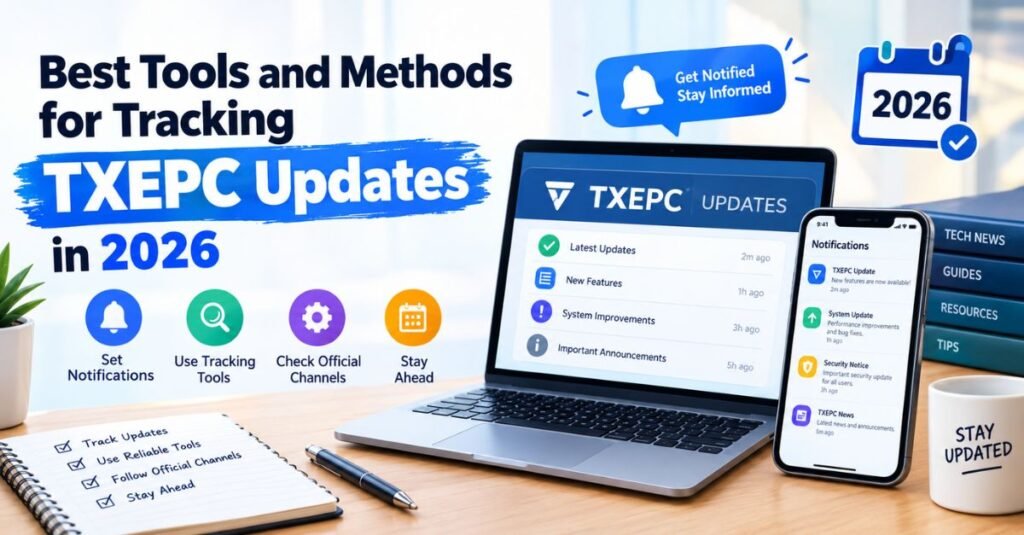
Tools help you stay updated always TXEPC, but structure matters more. A messy system with great tools still fails. A clear system with simple tools works well. Start with the method. Then add tools that fit it. This order saves money and time. Choose what helps you stay updated always TXEPC best.
Most TXEPC tracking methods fall into three styles. The manual style uses bookmarks and a daily check. The semi-automatic style uses feeds and email filters. The full automatic style uses alert platforms and dashboards. Each style suits a different person. Your job is to match the style to your needs.
Essential Tools for Organizing and Monitoring Updates
A strong TXEPC monitoring system uses a few tool types. A feed reader gathers posts. A summary tool shortens long notes. An automation tool sends alerts. A dashboard shows everything at a glance. The table below compares them. Together they support digital information monitoring and keep your information management system tidy. Each one helps you stay updated always TXEPC.
| Tool Type | Main Purpose | Biggest Strength | Best For |
| Feed reader | Collects new posts | Speed | Official sources |
| Summary tool | Shortens long updates | Clarity | Technical notes |
| Automation tool | Sends smart alerts | Real-time action | Critical items |
| Dashboard | Shows all updates | Organization | Teams and pros |
How to Choose the Right TXEPC Tracking Method
Ask three questions. How many updates do you follow? How fast must you react? Who else needs the news? A solo learner may only need a feed reader and email. A busy team may need a shared dashboard. Pick the lightest option that meets your needs. You can always upgrade later. This keeps your TXEPC tracking methods simple and your habits strong. The right pick makes it easy to stay updated always TXEPC.
How to Identify Important TXEPC Updates Quickly
You can judge most updates in under a minute. You only need a few questions. This skill is called critical update identification, and it saves hours every month. Once you practice it, you’ll sort new items almost without thinking. That’s how you stay updated always TXEPC without burning out.
Speed comes from rules, not from reading more. Decide your rules once. Then apply them every time. Your brain will thank you. You’ll also feel less pressure because every update gets a clear home. Clear rules make it easy to stay updated always TXEPC.
Read More About: Best Wireless Presentation Clickers in 2026: Top Picks for Every Presenter
A Quick Checklist for Evaluating New Updates
Ask four questions. Does it change how things work? Does it affect security or privacy? Does it alter your workflow or results? Does it come from an official source? A “yes” to any one means the update matters. A “yes” to two or more means act soon. This short check supports source credibility assessment and takes only seconds. Use it daily to stay updated always TXEPC.
How to Distinguish Urgent Information From Routine Changes
Urgent items have deadlines or risks. Routine items don’t. A font change is routine. A data handling change is urgent. A new login rule is urgent too. When in doubt, look for words like “required,” “deadline,” or “security.” Those words signal a need for urgent update response. Everything else can wait for your weekly review.
Why You Should Rely on Official TXEPC Sources
Official sources give you the truth first. They share facts straight from the owner. They use clear formats and correct dates. Unofficial pages often copy each other and add errors. By the time you read a third-hand summary, details may have changed. That’s why official TXEPC sources should anchor your whole system. Official channels make it simple to stay updated always TXEPC.
Reliable channels also lower your risk. Fake notices often copy the look of real ones. They try to rush you into clicking. When you stick to reliable information sources, you dodge most of those traps. You also save time because you skip the guesswork. Strong TXEPC information sources are the base of every good plan. Trust is the foundation of any plan to stay updated always TXEPC.
How to Verify the Authenticity of an Update
Start with the web address. Does it match the official site? Next, check the publish date. Then look for the same news on a second official channel. If two official channels agree, trust it. If only one odd page says it, pause. This simple TXEPC information verification routine gives you strong information accuracy checks in under three minutes.
Common Warning Signs of Misleading or Outdated Information
Watch for red flags. Missing dates are one. Pushy language such as “act now or lose access” is another. Odd spelling, strange links, and copied text should also worry you. Old posts that look new cause trouble too. Treat each flag as a reason to stop and check. Good habits here support TXEPC update security and keep fake news out of your inbox.
How to Organize TXEPC Updates Without Information Overload
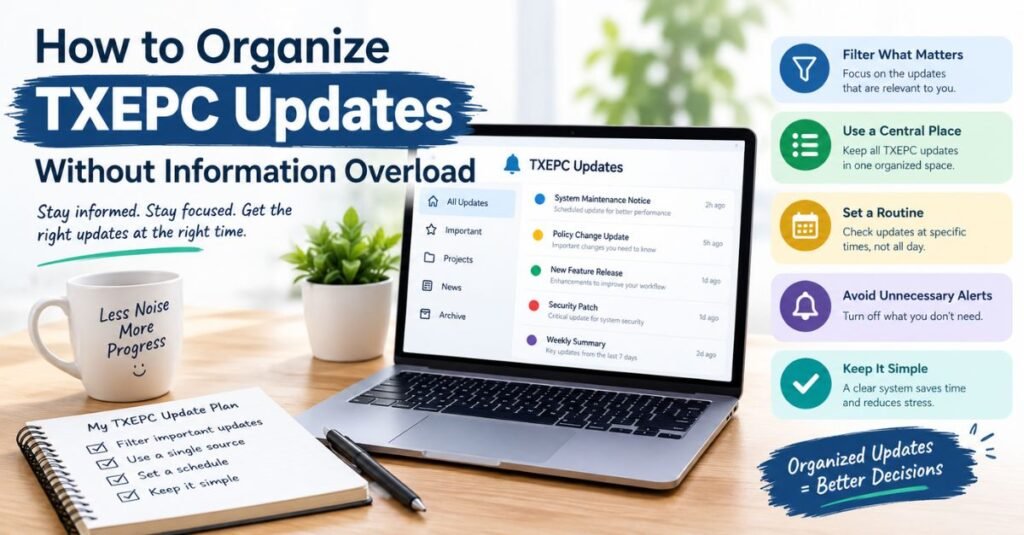
Too many updates feel like a flood. You can’t read them all. The fix is structure, not speed. A clean setup makes your TXEPC update management easy. It also protects your focus. You open your tools and know what to do next. Order helps you stay updated always TXEPC.
Good organization has two parts. First, a simple inbox that holds new items. Second, labels that show priority. Together they turn chaos into order. They also keep your TXEPC monitoring system light enough to use every day.
Create an Update Inbox and Categorize Information
Build four folders. New items land in the Inbox. Urgent items move to Critical. Items for later go to Review. Finished items go to Archive. This is a small step with a big payoff. It acts as your core information management system. Clear folders also speed up your TXEPC update tracking during busy weeks. A clean inbox helps you stay updated always TXEPC.
Use Tags, Filters, and Priority Labels Effectively
Tags make sorting automatic. Give each priority a color. Red means critical. Orange means high. Yellow means medium. Gray means low. Then add filters that move messages by sender or keyword. Review your filters monthly. Remove old rules. This habit supports update prioritization techniques and keeps information overload prevention on track. Smart labels help you stay updated always on TXEPC.
Daily and Weekly TXEPC Update Tracking Routine
Consistency beats intensity. A short daily check works better than a long monthly one. Your TXEPC update routine should feel easy. If it feels hard, you’ll skip it. Keep each session short and the steps clear.
A balanced plan mixes daily and weekly tasks. The daily task catches urgent news. The weekly task cleans up the rest. This two-layer plan is the backbone of a daily update tracking routine and a weekly information review. It helps you stay updated always with TXEPC for the long haul.
A Daily 10–15-Minute Update Review
Pick a fixed time each day. Open your dashboard. Scan critical alerts first. Then glance at new items. Flag anything that needs action. Close the tool when time is up. That’s it. This small ritual builds consistent tracking habits. After two weeks, it will feel automatic. Ten minutes a day lets you stay updated always at TXEPC.
A Weekly Review to Catch Missed Updates
Set aside 30 to 45 minutes once a week. Review medium items first. Then skim low items. Archive what’s done. Next, adjust filters that let in too much noise. Finally, check whether you missed any key source. This weekly information review catches slips before they grow. The table below shows a sample week.
| Day | Task | Time |
| Monday to Thursday | Daily scan of critical alerts | 10–15 minutes |
| Friday | Weekly review and archive | 30–45 minutes |
| End of month | Audit sources and filters | 20 minutes |
What to Do When You Receive a Critical TXEPC Update
Critical updates need a cool head. Don’t panic. Don’t ignore them either. Follow a short plan every time. This plan protects you from rushed errors. It also gives your team a clear script when the pressure rises. Calm responses help you stay updated always TXEPC even under pressure.
Speed matters here. Accuracy matters more. A fast mistake can cost more than a short delay. So verify first. Then act. This balance defines strong critical TXEPC updates handling and good urgent update response.
How to Verify and Prioritize Urgent Information
First, confirm the source is official. Next, read the full update, not just the title. Then judge the impact on your work. Ask who else needs to know. Rank the task against your other work. This quick TXEPC information verification step keeps you from acting on fake alerts. It also helps you pick the right TXEPC update priority levels.
Read More About: Playing Games Blog PlayBattleSquare: The Best Guide to Gaming Tips and Minecraft Strategies (2026)
Steps to Take After Confirming a Critical Update
Act or test the change right away. Check how it affects your tools and tasks. Write a short note about what you did and when. Tell the people who need to know. Then watch for follow-up patches over the next few days. Logging each step builds a record you can trust. It also improves your efficient update workflow next time.
TXEPC Update Security and Privacy: Best Practices

Update channels can become targets. Scammers send fake alerts that look real. They want your passwords or your clicks. Strong TXEPC update security starts with doubt. Treat every surprise message with care. Check before you click.
Privacy matters too. Your tools hold your email, habits, and sometimes more. Share only what’s needed. Good TXEPC privacy protection keeps your data yours. These habits protect you while you stay updated always at TXEPC.
How to Protect Your Personal Information
Never share passwords in reply to an update message. Use strong, unique passwords. Turn on two-step login wherever you can. Limit app permissions to what each tool truly needs. Review those permissions every month. These steps form the base of TXEPC privacy protection. They also support secure information access across all your devices. Safe habits let you stay updated always TXEPC without risk.
Safe Practices for Accessing Update Websites and Notifications
Type the web address yourself or use a saved bookmark. Skip links in unexpected emails. Avoid unknown plugins and feeds. Use trusted networks rather than open public Wi-Fi. Keep your browser and apps current. These habits make the TXEPC update security part of daily life. They also reduce the risk of fake TXEPC update notifications.
Common TXEPC Update Tracking Mistakes to Avoid
Most tracking failures come from habits, not tools. People choose too many sources. They trust weak sites. They ignore alerts until it’s too late. The good news? Each mistake has a simple fix. Learn the three biggest ones and you’ll avoid most trouble. Avoiding them helps you stay updated always on TXEPC.
Think of these mistakes as potholes on a road you drive daily. Once you know where they are, you steer around them. The table below gives a fast summary. Read each section after it for details.
| Mistake | Why It Hurts | Quick Fix |
| Trusting unverified sources | Spreads wrong facts | Use official channels only |
| Delaying action | Small issues grow | Set daily review times |
| Following too many sources | Causes overload | Keep one dashboard |
Relying on Unverified Sources
A random post may look helpful. It may even be right. But you can’t know without checking. Unverified sources often copy mistakes from each other. They also hide the date of the original news. Make source credibility assessment part of your routine. Ask who wrote it, when, and where the facts came from. If you can’t answer, don’t use it.
Ignoring Notifications or Delaying Action
Some people mute everything to find peace. Then they miss the one alert that mattered. Others open an alert and say, “I’ll do it later.” Later rarely comes. Fix this with a rule: handle critical items within the day. Smart managing TXEPC notifications means fewer alerts, not zero alerts. Keep the important ones loud.
Following Too Many Sources Without a Clear System
More sources don’t mean better knowledge. They mean more noise. Many people follow ten feeds and read none. Cut your list down to the few that matter. Group them in one place. Review them on a schedule. This approach supports information overload prevention and keeps your TXEPC monitoring system healthy.
How to Build a Consistent TXEPC Update Tracking Habit
Tools don’t build habits. You do. A habit forms when an action is easy and tied to a daily cue. Link your update check to something you already do. Do it after morning coffee, for example. Soon it will feel normal.
Give the habit time. Most people need a few weeks. Track your streak on a calendar if it helps. Small wins add up. Over months, you’ll stay updated always TXEPC without thinking about it, and long-term update management becomes second nature.
Read More About: Tubefalire Explained: 7 Amazing Fixes to Prevent Digital Failures
Warning Signs That You Are Falling Behind
Your system may be slipping if versions conflict. Another sign is a growing backlog of unread items. A third is more manual fixes than before. You may also feel unsure about what’s “latest.” If two or more signs appear, pause. Cut sources, reset filters, and restart your daily check. Early action here protects your TXEPC update routine.
Practical Ways to Stay Consistent Over Time
Start with one dashboard. Skip extra feeds. Automate any repeated check. Fix your review times and protect them like meetings. Once a week, remove one distraction from your system. Once a month, audit your sources. These small moves build consistent tracking habits and keep your plan fresh. Little steps, repeated often, win this game. That’s how you always stay updated always TXEPC for years.
The Ultimate TXEPC Update Workflow for 2026
Here’s the full system in one loop: Collect, Filter, Prioritize, Store, Act, Review. Each step feeds the next. Skip one and the loop breaks. Follow all six and you get a calm, steady TXEPC tracking workflow. It’s the best way to stay updated always with the TXEPC in 2026.
This workflow works for solo learners and busy teams alike. Scale it up or down as needed. Keep each step small. Write it down once, and then follow it every day. Clear steps beat clever tricks every time.
A Step-by-Step Workflow for Collecting, Verifying, and Reviewing Updates
Collect updates from official channels only. Filter out anything unrelated to your work. Verify the rest with a quick source check. Prioritize each item with your four levels. Store everything in your inbox folders. Act on critical items first. Review the whole system weekly. This efficient update workflow takes little time once it’s set up. This flow helps you stay updated always TXEPC every week.
Example of an Organized TXEPC Tracking Routine
Here’s a real-feeling example. Maya runs a small online team. Each morning at 9:00, she scans critical alerts for ten minutes. On Friday, she spends 40 minutes on her weekly review. Last month, she caught a rule change on day one. Her team updated their steps the same morning. Nobody lost time. That’s the power of a steady TXEPC update routine. Maya’s habit helps her stay updated always with TXEPC.
How to Improve Your Workflow Over Time
Audit your system every month. Which sources gave you value? Which ones only added noise? Remove the weak ones. Test a new tool for two weeks before you commit. Ask teammates what slows them down. Then fix one thing at a time. This keeps your TXEPC update management sharp. It also supports long-term update management as your needs grow. Better workflows help you stay updated always with TXEPC longer.
FAQ,s
What Does Stay Updated Always TXEPC Mean?
It means you follow TXEPC changes in a steady, organized way. You use official TXEPC sources, smart alerts, and a short daily check. You don’t chase every post. You focus on updates that affect you. That’s how you always stay updated with TXEPC with little stress.
How Can I Find the Latest TXEPC Updates?
Start with the official website or channel. Subscribe to its email list or feed. Turn on alerts for critical items. Then check your dashboard each day. This gives you the TXEPC latest updates quickly and safely. It also brings the latest TXEPC updates 2026 straight to you. Always verify any news you see on other sites. Doing so keeps you able to always stay updated with TXEPC.
How Often Should I Check TXEPC Updates?
Check critical alerts once a day for 10 to 15 minutes. Do a longer review once a week. Review your sources once a month. This rhythm fits most people. If your work depends on fast changes, add a second quick check each day.
Why Are Official TXEPC Sources Important?
They give you accurate facts first. They show correct dates and full details. They also protect you from fake notices and old news. Using official TXEPC sources is the best way to avoid mistakes. It keeps your plan to stay updated and is always TXEPC reliable.
What Should I Do if I Miss an Important Update?
Stay calm. Read the update right away. Check what changed and who it affects. Fix any errors first. Then log what happened. Finally, adjust your alerts or routine so it doesn’t happen again. One miss is a lesson. It doesn’t have to be a failure.
conclusion
You don’t need to track everything. You need to track the right things. Filter hard. Act on what matters. Review often. That simple formula helps you stay updated always with TXEPC without noise or burnout. It also gives you calm, control, and confidence.
Start today. Pick your official TXEPC sources. Set up your TXEPC update alerts. Run your first daily check tomorrow morning. Within a month, your TXEPC update routine will feel natural. Keep learning, keep improving, and keep this TXEPC 2026 guide close.