Crackstube Explained: What It Is, Website Safety, Risks, and Safe Alternatives (2026)
One name. Many websites. That is the puzzle behind Crackstube. Type it into a search bar and you will find pages that disagree with each other. Some call it a place to read articles. Others link it to free software cracks and pirated videos. A curious reader can feel lost within seconds.
This guide clears the fog. You will learn the Crackstube meaning, the real risks, and simple checks you can run in minutes. You will also find Crackstube alternatives that protect your device and your data. One fact comes first. No single verified company stands behind the name. Careful checking matters more than any label.
What Is Crackstube? Understanding the Website and Its Purpose
So, what is Crackstube? The honest answer is simple. It is a name that many different pages use. No verified company owns it. Several explainers describe it as a label for unofficial sites that offer cracked apps and pirated streams. Other pages describe a media or publishing site. The facts shift from page to page. That makes the Crackstube website’s purpose unclear until you check the exact address.
This Crackstube review 2026 leans on evidence. Right now the strongest evidence points toward risk. Still, a name alone proves nothing about one single page. Treat every site as unknown until the checks below say otherwise. Picture two shops with the same sign. One sells fresh bread. The other sells fake watches. The sign tells you very little.
The Meaning Behind the Name Crackstube
The word has two parts. “Crack” often means a tool that breaks software licenses. “Tube” reminds most people of video sites. Together they sound like a free shelf of videos and apps. That is why many readers expect pirated content. The Crackstube meaning therefore depends on context. A writer may use the word for fun. A scam site may use it to grab clicks. Spelling also changes. You may see CracksTube in one place and Crackstube in another. Search engines treat them as one idea. That mixes results from unrelated pages.
Crackstube as a Digital Publishing or Media Platform
Some pages describe the Crackstube platform as a home for articles, guides, and guest posts. That idea fits a normal digital media platform. Such sites cover business, tech, health, and home life. Writers send pieces. Editors review them. Readers learn something new. This is how most online publishing platforms work. However, no independent source confirms that one site named Crackstube works this way. Treat the claim as a lead to check. Do not accept it as fact. A real Crackstube digital publishing site would show an editor, an About page, clear policies, and dated articles.
Why Crackstube Has Different Online Meanings
One keyword can point to many pages for three reasons. First, anyone can register a domain with a similar name. Second, writers publish search-driven articles that repeat a trending term. Third, scammers copy popular names to catch searchers. Together these forces blur the picture. A person who wants news may land on a download page. A person who wants downloads may land on a blog. Digital awareness helps here. Ask what each page wants from you. The answer reveals its real purpose.
Crackstube.com and Similar Domains: What You Need to Know
A domain is the address of a website. Tiny changes create entirely different places. Crackstube.com is one address people search for. Versions with extra letters, numbers, or odd endings can belong to other owners. This trick is called typosquatting. Attackers use it to copy trusted names and borrow their website reputation.
Good Crackstube domain verification starts with patience. Never click the first result and trust it. Look at the address bar. Check each letter. Domain authenticity matters more than design because anyone can copy a layout in minutes. The next three sections show how to confirm who stands behind a domain.
How to Identify the Exact Crackstube Website
Start with the address bar. Read the full domain from left to right. Then compare it with a source you already trust. Good sources include a link from a known news story or a verified social profile. Be careful with search ads. They can place a lookalike link at the very top. Right now no trusted source names a Crackstube official website. That fact alone calls for caution. Learning how to identify fake websites begins with this habit. Watch for swapped letters, extra hyphens, and odd endings. Website verification is a skill you can practice on any link.
How to Verify Whether Two Domains Are Connected
Two similar domains do not prove a link. Real ties leave evidence. Use the ICANN lookup tool to view registration data for a domain. Check the creation date and the registrar. Many owners hide personal details behind privacy services. That is normal. Compare other clues as well. Matching contact emails, shared security certificates, and identical site code point to a shared owner. This process is website domain verification in action. It answers one question. Do these two sites really come from the same people?
What Public Website Information Can Tell You
Public details tell a lot. Visit the About page. Read the contact page. Search for the site on the Wayback Machine to see its past versions. A site that was a cooking blog last year and a download portal today deserves suspicion. A fair Crackstube.com review also checks domain age. Fresh domains with big promises often signal trouble. Anyone planning a full Crackstube website review should write down each finding. Record the age, owner, policies, and content type. Facts beat guesses.
Is Crackstube Safe to Visit?
Is Crackstube safe to visit? The answer depends on the exact page. Some unofficial sites that use this name carry heavy ads and risky downloads. Others may be harmless blogs. You cannot tell at a glance. A careful approach wins. Treat every unverified page as risky until the evidence says otherwise.
Crackstube online safety comes down to habits. Keep your browser updated. Use a trusted security app. Avoid clicking pop-ups. These steps lower Crackstube security risks even when a site looks fine. Strong browser security and secure browsing practices work like a seat belt. You hope never to need them. You will be glad they exist when trouble comes.
Potential Risks of Visiting Unknown Websites
Unknown websites can harm you without a download. Hidden scripts can track your device. Bad ads can push you to scam pages. Some pages try to install files in the background. Experts call this a drive-by download. Other pages ask for notification permission and then flood your screen. Cybersecurity threats often start with one careless click. Visiting is not always harmless. Online privacy and data protection both suffer when a site tracks you without clear consent.
Warning Signs of Suspicious Websites
Spotting trouble early saves time. One sign alone may be harmless. Three or four signs together should send you away. The table below lists common suspicious website warning signs and what each one usually means.
| Warning sign | What it usually means |
| Forced download | The site wants you to install something unsafe |
| Endless pop-ups | Weak ad controls or deliberate trickery |
| Fake virus alerts | A scare tactic to sell fake software |
| Card details requested on a free site | Possible fraud |
| No contact page or owner details | Hidden ownership |
| Poor spelling and broken grammar | Copied or rushed content |
Website Security Checks to Perform Before Browsing
Run quick checks before you browse. Paste the link into VirusTotal. It scans with many security engines at once. Next visit Google’s Safe Browsing site status page. It shows whether Google has flagged the site. Look for HTTPS in the address bar. It means the connection is encrypted. It does not mean the site is honest. Scam pages use HTTPS too. Finally, read the website privacy policy. A real policy explains what data the site collects and why. Missing or copied policies are a bad sign.
Is Crackstube a Publishing Platform, Download Site, or Streaming Service?
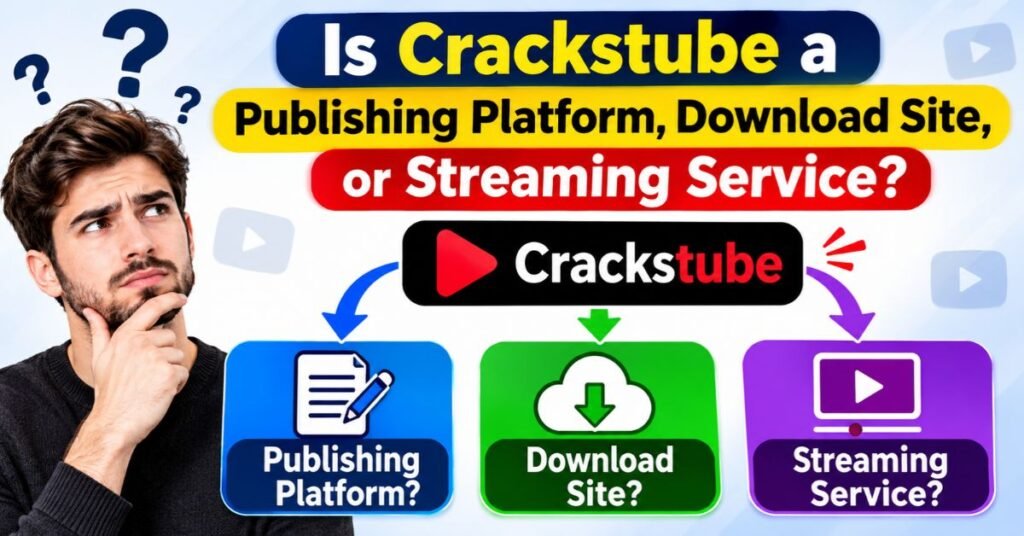
People guess three things about this name. Some think it is a publishing hub. Some think it hosts downloads. Others think it streams video. A Crackstube streaming service would offer videos. A Crackstube software download page would offer installers. A publishing site would offer articles. The page itself shows the truth through what it asks you to do.
Do not trust the label. Trust the behavior. Reading an article asks nothing from you. Streaming a video should not need a strange player. Downloading software should come from the maker. If a site pushes you to install something odd, leave. The sections below show how each type works.
How Digital Publishing Platforms Work
Here is a digital publishing platform explained in plain words. Writers create pieces. Editors check them. The site posts them under clear categories. Readers browse for free or by subscription. Strong content publishing websites list authors, dates, and sources. They also show contact pages and policies. Online content publishing works best when readers can trace each claim to a real person. News outlets, university blogs, and trade magazines all follow this model. Content creation and digital content distribution both depend on trust.
The Role of Guest Posting and Online Content
Guest posting means a writer sends an article to another website. The editor reviews it. If it passes, the site publishes it with a short author bio. Many guest posting websites exist. Good ones follow clear guest posting guidelines. They state topics, word counts, link rules, and review time. Writers gain exposure. Readers gain fresh views. Businesses build trust. Guest blogging only works when the host site has real readers. Poor sites accept anything and sell links. Search engines may ignore such pages.
How to Distinguish Publishing Websites From Download or Streaming Sites
Look at what the site wants from you. The table gives a fast comparison. Use it as a quick filter whenever a new name appears in your search results.
| Feature | Publishing site | Download site | Streaming site |
| Main content | Articles and guides | Installers and files | Videos |
| What it asks you to do | Read | Click and install | Watch |
| Ownership details | Usually listed | Often hidden | Often hidden |
| Common red flags | Thin or copied text | Fake buttons | Pop-ups and redirects |
| Safest move | Check the author | Use the official source | Use a licensed service |
Common Online Security Risks Associated With Untrusted Websites
Untrusted sites rely on a few tricks. Each one targets your device, your money, or your identity. Learning them gives you a head start. Good malware and spyware protection begins with knowing what you face. Cybersecurity threats change fast. The basics stay the same.
Strong online security practices beat fancy tools. Update your system. Use unique passwords. Turn on two-step login. Back up your files. These habits protect you even when a trick works. The table summarizes the main threats and the best defense against each.
| Threat | How it works | Best defense |
| Malware | A harmful file runs on your device | Use official sources and scan files |
| Trojan | Hides inside useful-looking software | Skip cracks and modified apps |
| Spyware | Secretly records your activity | Security app and regular scans |
| Ransomware | Locks files and demands payment | Offline backups |
| Phishing | Fake pages steal logins | Check the address and avoid pop-ups |
| Malvertising | Bad ads redirect you | Ad blocker and updated browser |
Malware, Viruses, and Trojan Files
Malware is any software built to harm. A virus spreads by attaching itself to files. A Trojan hides inside something useful. Think of a gift box with a nasty surprise. You open it with a smile. Then the trouble starts. Cracked apps are a favorite carrier. Many ask you to switch off your antivirus first. That request is a flashing red light. Real software never needs such a step. Strong malware protection and careful habits keep malicious downloads away.
Spyware and Ransomware Threats
Spyware watches you in silence. It can record passwords, messages, and browsing history. Ransomware works loudly. It locks your files and demands payment. Victims include home users, schools, and small firms. Payment gives no guarantee of recovery. Backups offer the best cure. Keep one copy offline. Spyware detection tools can flag odd behavior early. Regular scans and quick updates make ransomware attacks harder to pull off.
Phishing Attacks and Fake Login Pages
Phishing tricks you into handing over private data. A fake login page looks real. A message says, “Verify your account now.” Urgency is the trap. Good phishing attack prevention starts with a pause. Check the web address. Never type a password after clicking a pop-up. Visit the real site by typing the address yourself. The CISA guide to recognizing phishing gives clear steps. Phishing prevention also means reporting scams to your email provider.
See Also : SFM Compile: The Ultimate Beginner’s Guide to Compiling Models in 2026
Suspicious Advertisements, Pop-Ups, and Redirects
Some ads cause real harm. Malvertising spreads bad code through ad networks. Fake alerts claim your phone has a virus. Suspicious redirects send you to scam pages. Notification requests can flood your screen. Close the tab if a page opens new windows. Never allow notifications from unknown sites. An ad blocker and an updated browser cut these tricks sharply. Safe internet usage means staying calm when a page shouts at you.
Copyright and Legal Concerns Related to Online Content
Creators own what they make. Films, music, books, and software all carry rights. Copyright protection lets owners control copies and sales. Respecting it supports the people behind your favorite work. It also keeps you safe.
Laws differ by country. Many nations share the same basic rules through international treaties. Copying paid content without permission can break those rules. Intellectual property rights matter for big studios and small artists alike. Copyright compliance is simpler than it sounds. Pick licensed sources and you stay clear of trouble.
Understanding Copyright Protection
Copyright starts the moment someone creates original work. Most countries need no form or fee. Owners can license their work to others. A subscription is a license. A purchase is a license. A free tier with ads is also a license. The World Intellectual Property Organization explains these basics for readers worldwide. Fair use or fair dealing rules may allow limited use in some places. Those rules are narrow and vary by country.
Risks of Downloading Unauthorized Content
Copyright infringement risks depend on where you live. Some people get warning letters from internet providers. Others lose accounts or face fines. The legal side is only half the story. Pirated files often hide malware. Many software download websites that offer cracks earn money from ads and bundled junk. You may end up with a legal worry and an infected device at the same time. That is a bad trade for a free movie.
Why Free Content Is Not Always Safe
Free is the oldest bait online. An old saying puts it well: “If you are not paying for the product, you are the product.” Sites that give away paid content still need income. They earn it from ads, tracking, and bundled installs. Think of a fishing lure. It looks like a meal. The hook sits just out of sight. Free content from official sources works differently. Libraries, public broadcasters, and open-source projects fund themselves in open ways.
How to Check Crackstube Content for Trustworthiness
Trust grows from proof. Website credibility means a site shows who runs it and why. Learning how to verify a website takes minutes. The habit pays off for years. Use it for every unfamiliar page.
Look for trusted content sources. They name their authors. They cite evidence. They fix mistakes in public. Content credibility rises when a site does all three. Information verification means checking claims in more than one place. One source can be wrong. Three agreeing sources raise your confidence.
The Five-Point Website Credibility Checklist
This website credibility checklist has five points. Score each one. A site that passes all five earns more trust. A site that fails two or more deserves distance.
| Step | What to check | What a pass looks like |
| 1. Domain | Spelling, age, and ending | A clear match with a trusted source |
| 2. Ownership | Named person or company | Real names and an About page |
| 3. Contact | Email, form, or address | Replies and working details |
| 4. Security | HTTPS and no forced downloads | Clean scan results |
| 5. Claims | Facts and sources | Confirmed on other sites |
Check the Domain, Ownership, and Contact Information
Start with the basics. Check the age of the domain through a lookup tool. Read the About page for real names. Test the contact form or email. A real business answers. A fake one stays silent. Search the owner’s name on its own. Look for a social profile, a news mention, or a business record. Website legitimacy builds over years. Scam sites rarely last that long.
Review Website Security and Privacy Policies
Next check security. Look for HTTPS. Read the website privacy policy from start to end. It should name the data collected and the reasons. It should also explain how to contact the owner. Be wary of copied text that names a different company. Cookie notices should offer real choices. Clear statements on online privacy and data protection signal care. Vague ones signal risk.
Verify Claims Before Sharing or Using Information
Never share a claim before you check it. Search for the same fact on two other trusted sites. Look at dates. Old news often returns as new. A reverse image search can show whether a photo is real. Digital literacy means asking one extra question before you trust. Who says so? What proof do they give? Content authenticity depends on those answers.
See Also : SFM.Compile: Easy & Powerful Guide to Compiling Models in 2026
Safe Alternatives to Crackstube
Good options exist for every need. Crackstube alternatives cover reading, streaming, software, and writing. Each one keeps you on the right side of the law. Each one also protects your device. Many cost little or nothing.
Pick safe websites that show who they are. Look for clear owners, secure connections, and fair policies. Reliable online resources often come from libraries, schools, and well-known publishers. The table gives a quick view of where to go for each need.
| Your need | Safer option | Why it helps |
| Reading and research | News outlets, universities, public libraries | Named authors and clear sources |
| Movies and shows | Licensed streaming apps and library services | Legal and virus-free |
| Software | Developer sites and open-source projects | Updates and support |
| Publishing your writing | Platforms with clear editorial rules | Real readers and safer links |
Trusted Websites for Reading and Research
Start with sources that put their names on their work. Established news sites, university pages, and government agencies all fit. Google Scholar helps you find research papers. Public libraries offer free access to many databases. Trusted content sources make mistakes too. The difference is that they correct them in the open. Information verification gets easier when a source shows its work.
Legal Streaming Services for Movies and Entertainment
Plenty of legal streaming services cost nothing. YouTube hosts a huge range of licensed video. Pluto TV and Tubi offer ad-supported movies and shows in many regions. Your library card may unlock more through apps like Libby. Paid platforms such as Netflix offer several price levels. Availability varies by country. These streaming website alternatives pay creators and protect viewers. Authorized streaming services also remove the malware worry.
Official Sources for Software Downloads
Safe software downloads start at the maker’s own website or a verified app store. Open-source tools offer strong free choices. LibreOffice handles documents and spreadsheets. GIMP edits photos. Blender creates 3D art and animation. Many software makers also give student discounts. Official software sources deliver updates, support, and peace of mind. A cracked copy delivers none of those.
Reliable Platforms for Writers and Guest Contributors
Writers can reach readers without risky hosts. Platforms such as Medium and LinkedIn have clear rules and large audiences. Many industry blogs also accept pitches through open guidelines. Good online content sharing rewards quality. Look for sites with named editors and visible readers. Trusted publishing platforms protect your reputation along with your words.
How Writers Can Evaluate Crackstube Before Guest Posting
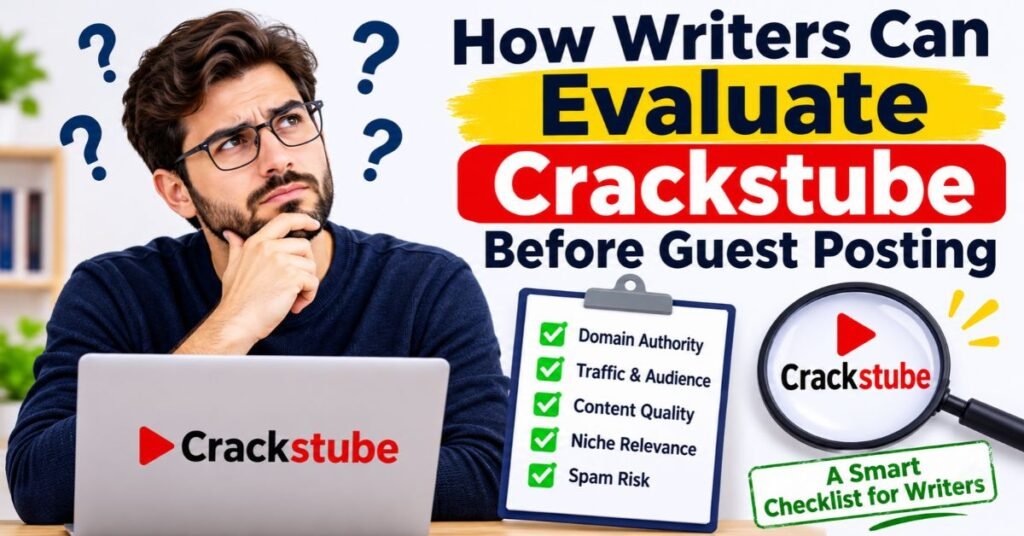
Writers deserve safe homes for their work. Test any site before you send a piece. A weak host can harm your reputation. A strong host builds it. Guest blogging only pays off when real people read the page.
A fair Crackstube website review for writers asks practical questions. Who runs the site? Who reads it? What happens to your links? Spend one hour on research now. It can save months of cleanup later.
Check Website Quality and Audience Relevance
Read five recent posts. Do they offer real value? Paste a sentence into a search engine to test for copied text. Check whether the topics match your subject. A tech writer gains little from a site that mixes recipes with casino ads. Look for comments, shares, and signs of an active community. Content credibility and website reputation matter more than raw traffic claims.
Review Editorial Guidelines and Backlink Policies
Strong sites publish guest posting guidelines. They explain topics, style, and review steps. They also state their backlink policies. Learn the link types. A dofollow link can pass ranking signals. A nofollow link does not. Google asks sites to mark paid links with the sponsored attribute, as its link spam policies explain. A site that sells unmarked links puts your work at risk.
Questions to Ask Before Submitting an Article
Ask the host a few direct questions first. Honest sites answer quickly. Evasive replies tell their own story. Use the table as a short script.
| Question | Why it matters |
| Who owns and edits the site? | Shows real accountability |
| Do you charge for publishing? | Paid posts may break search rules |
| Can I update or remove my article later? | Protects your control |
| How do you mark sponsored links? | Shows policy awareness |
| Who reads the site? | Confirms real audience value |
Common Crackstube Mistakes to Avoid
Most online trouble comes from small slips. A rushed click. A skipped check. A trusting moment. Learning the common mistakes helps you dodge them. Digital awareness is the cheapest protection you can buy.
Three errors come up again and again around this name. Each one is easy to fix. Each one also teaches a broader lesson about internet safety tips.
Assuming Similar Domain Names Belong to One Company
The same name does not mean the same owner. Think of two houses with identical numbers on different streets. A visitor to the wrong one gets a very different welcome. Domains work the same way. A single extra letter creates a new site. Check ownership details before you treat two sites as one. Never assume a good reputation transfers to a lookalike.
Trusting Downloads Without Verifying Their Source
Consider an illustrative case. A design student named Maya searches for a free photo editor. She clicks a result with a familiar name and runs the installer. Her antivirus warns her. She turns it off because the page calls it a false alarm. Within days her browser shows odd ads and her accounts send spam. A clean reinstall fixes the mess. She loses two weeks of work. A free open-source editor from an official site would have cost her nothing. The example is fictional. The pattern is real.
See Also : SFM Compile Made Easy: The Complete Guide to Source Filmmaker (2026)
Sharing Personal or Payment Information on Unverified Sites
Never share passwords, card numbers, or ID details on an unverified site. A free page does not need your payment data. If a site asks, leave. Use a virtual card or a payment method with strong dispute rights for online purchases. Strong data protection starts with giving out less. Fewer details mean fewer things to lose.
The Future of Digital Publishing and Online Safety
Information keeps growing. So does the noise. Automated tools now produce huge volumes of text. Readers need better filters. Trusted publishing platforms will gain value as content authenticity becomes harder to judge. Online media platforms that show their sources will stand out.
Safe internet usage will matter more each year. Browsers will add stronger warnings. Security tools will get smarter. People still make the final call. A pause before each click remains the best defense. Habits will outlast any single tool.
The Growth of Trusted Content Publishing Platforms
Quality will win in the long run. Readers already prefer sites with expert authors and clear editing rules. Better moderation helps too. Platforms that label sponsored posts and correct errors earn loyalty. Digital content distribution will favor sites that readers can verify. Expect more author profiles, more source links, and stricter editorial guidelines across the web.
Why Digital Literacy and Source Verification Matter
Tools change quickly. Skills last. Digital literacy teaches you to question, check, and compare. Schools, libraries, and workplaces now teach these habits. Source verification protects you from scams and false claims alike. Strong digital awareness also helps your family. Teach one habit to a friend this week. The web gets safer one reader at a time.
Frequently Asked Questions
What Is Crackstube?
Crackstube is a name used by several unrelated websites. Many explainers link it to cracked software and pirated media. Others describe a publishing or media page. No verified company owns the name. Always check the exact domain.
Is Crackstube Safe to Visit?
Safety depends on the specific page. Unofficial sites that use the name often carry aggressive ads and risky downloads. Scan the link first. Avoid any download. Close the tab if you see pop-ups, forced installs, or requests for payment details.
Is Crackstube a Software-Cracking Website?
Several sources say sites using this name offer cracked software. Others deny it. No independent proof settles the matter for any single page. Cracked software breaks license rules and often hides malware. Official software sources are the safer path.
Is Crackstube a Streaming Website?
Some pages claim to stream videos under this name. Nothing confirms a single licensed service. Unofficial streams raise copyright and security worries. Legal streaming services offer a safer experience.
Can You Read Content on Crackstube for Free?
A genuine publishing site usually lets you read articles at no cost. Be careful if a page demands installs, logins, or payment first. Real readers should never need special software. Walk away if the page asks for more than a click.
How Can You Identify the Official Crackstube Website?
No trusted source currently names one official address. Compare domains with links from reliable news or verified profiles. Check ownership through a lookup tool. Read the About page and policies. Treat any unconfirmed site as unofficial.
Can Writers Submit Guest Posts to CracksTube?
Not until the site proves itself. Confirm the owner, read the editorial rules, and check link policies. Ask about fees and removal rights. If the answers feel vague, publish elsewhere.
Final Verdict
Crackstube is a name, not a guarantee. Some pages tie it to publishing. Many more tie it to cracked software and pirated streams. No verified source settles the question. That uncertainty is the real story. Use the domain checks, security scans, and credibility checklist before you click or download.
Safe habits beat clever guesses. Verify the address. Scan the link. Read the policies. Choose licensed services and official software sources. If a site feels too good to be true, it usually is. Close the tab and pick a safer path. Your device, your data, and your peace of mind will thank you.




One Comment